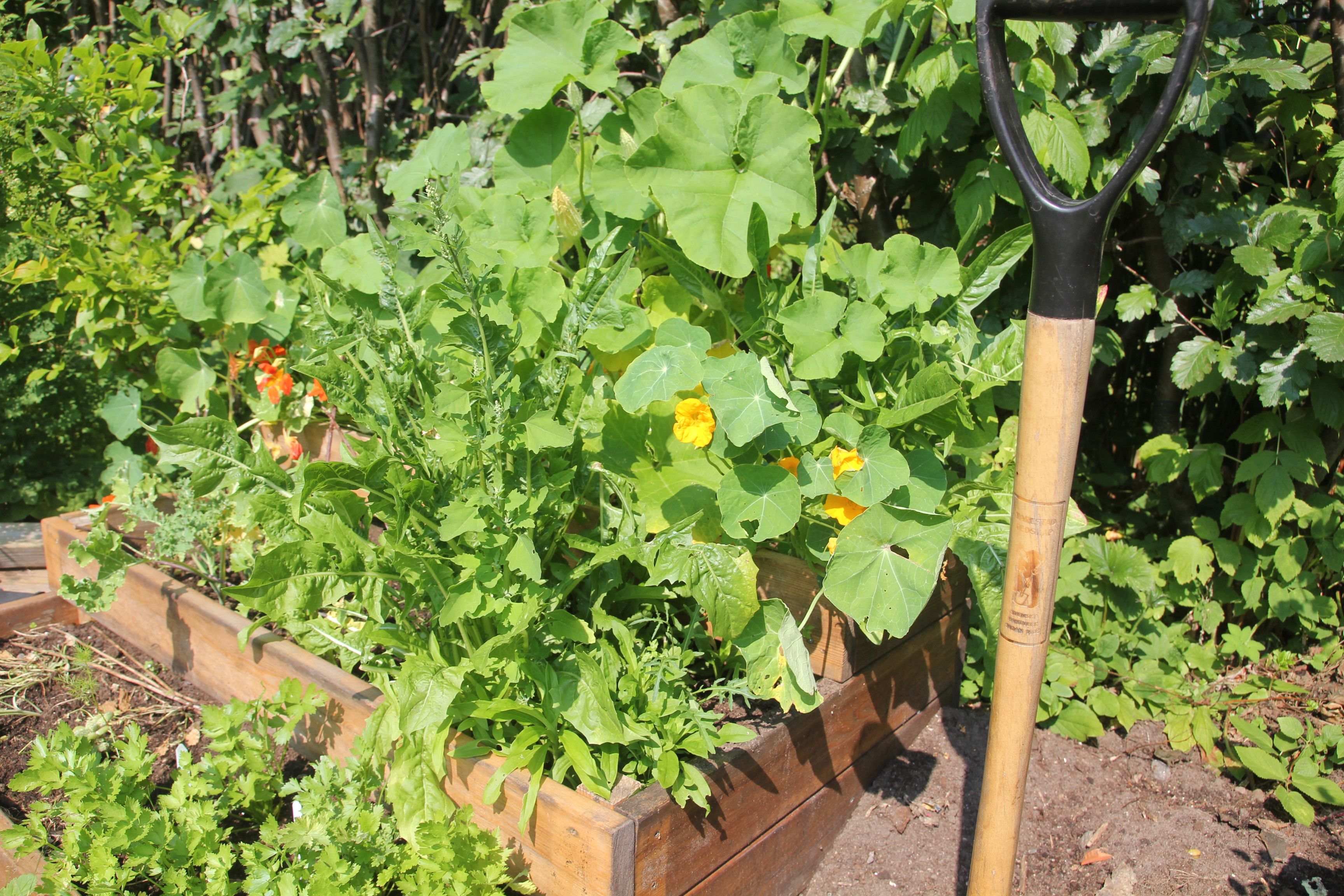
Raised Beds for Canadian Urban Growers: Soil, Materials, and Seasonal Setup
How to plan, fill, and maintain a raised bed in a Canadian backyard or community lot — from choosing lumber to managing frost windows in different climate zones.
Raised beds, balcony containers, rooftop plots, and municipal allotment programs — documented in practical detail for urban growers from Vancouver to Halifax.
How to plan, fill, and maintain a raised bed in a Canadian backyard or community lot — from choosing lumber to managing frost windows in different climate zones.
A straightforward breakdown of container selection, drainage requirements, crop variety choices, and watering rhythms suited to condo balconies and narrow patios in Canadian cities.
A comparative look at municipal plot allocation in Toronto, Vancouver, Montreal, Calgary, and Ottawa — including typical plot sizes, annual costs, and how applications are handled.
High-density urban areas pose real constraints for ground-level gardening. Rooftop beds, vertical wall planters, and stairwell containers have become established alternatives in cities like Toronto and Vancouver — each with their own weight limits, irrigation needs, and seasonal considerations.
Read the raised beds guideUrban food production in Canada spans several distinct approaches. Each has different space requirements, seasonal limitations, and municipal regulations worth understanding before starting.
Material options, soil depth requirements, and seasonal planting calendars for Canadian climate zones 5–8.
Which vegetables, herbs, and fruiting plants perform reliably in containers with limited root volume on balconies.
How plot allocation works across major Canadian municipalities, including waitlist times and annual fee structures.
Drip systems, self-watering containers, and rainwater collection as it applies to urban gardens in Canada.
Last frost dates and season extension methods — cold frames, row covers, and heated propagation — by Canadian province.
Urban compost bins, vermicomposting in apartments, and municipal compost programs as soil amendment sources.
Municipal garden plot availability varies considerably between Canadian cities. Toronto Parks allocates roughly 8,000 plots through its allotment network; Vancouver operates plots through the Park Board with waitlists that have historically run 2–5 years in some districts. The details matter when deciding whether to wait or to invest in a private raised bed setup.
See the allotment comparisonMost container crops don't survive hard Canadian winters outdoors. The question isn't whether to bring containers in, but what to do with perennial herbs, overwintering garlic, and cold-hardy greens that can tolerate marginal frost. Proper drainage and container material choices affect whether roots split during freeze-thaw cycles — a consistent issue in Ontario and Quebec climates.
Canadian cities have densified significantly over the past decade. Backyards have shrunk, condo living has expanded, and access to land for food production has narrowed for many households. The methods documented on this site — raised beds, containers, rooftop growing, and municipal allotments — represent the realistic options available to most urban residents.
About this resource